Elastic Pin Gear Couplings

elastic pin gear coupling

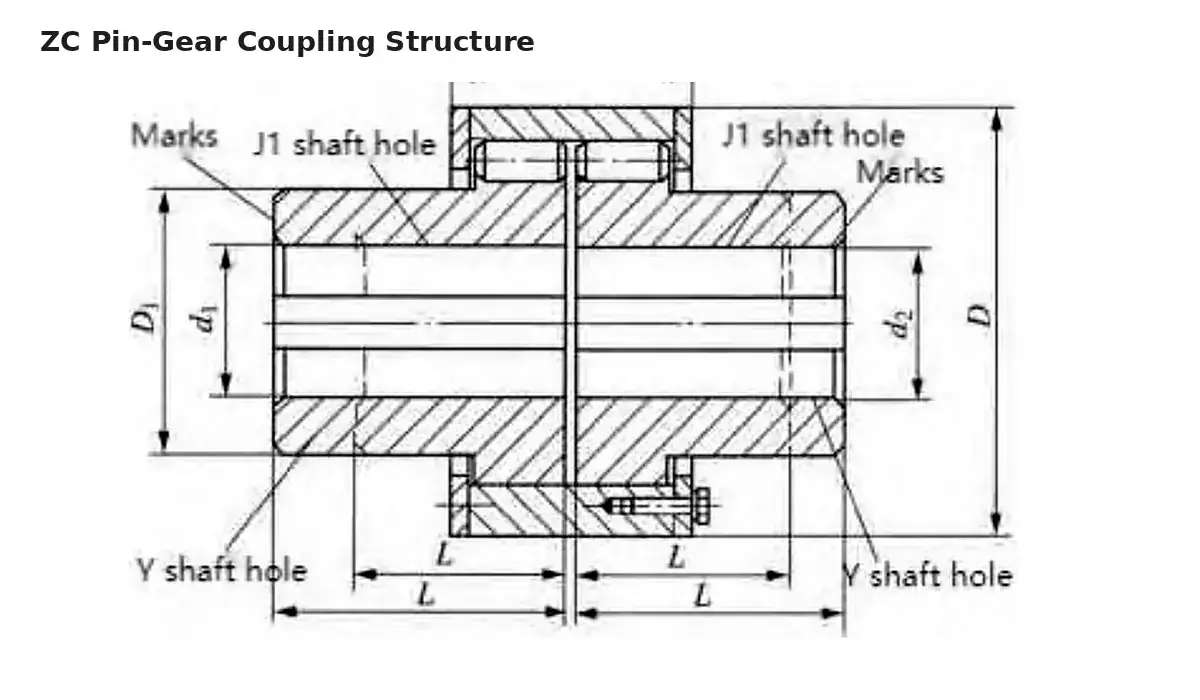
Elastic Pin Gear Couplings group together products that share a related pin-and-elastic torque-transfer concept while differing in detailed structure and available size range. Elastic pin gear couplings use a jacket-and-pin torque path and are available in cylindrical-bore and conical-bore configurations in the selected range. Buyers should start with duty and shaft data, then choose the series whose published ratings and interfaces fit the machine rather than selecting by visual similarity.How this coupling family worksThe key engineering question for elastic pin gear coupling selection is where the elastic interface sits in the torque path and how the connected hubs are supported. Technical drawings show the section structure for the products in this category, allowing the pin, sleeve or jacket relationship to be checked before a model is proposed.

Zc Elastic Pin Gear Coupling Structure
Elastic Pin Gear Couplings representative structure

Available product seriesSeriesModelsNominal torqueAllowable speedConfigurationZC Elastic Pin Gear CouplingZC1-ZC23112 to 2,800,000 N·m5,000 to 460 r/min across the published size rangepin-mediated torque transfer through an outer jacket structureZCD Conical Bore Elastic Pin Gear CouplingZCD1-ZCD13112 to 100,000 N·m5,000 to 1,500 r/min across the published size rangeconical shaft-hole version of the elastic pin gear coupling familyThe values above summarize the published family ranges. The exact published model row must be checked for shaft-hole diameter, shaft-hole length and outer dimensions before a final selection is approved.Application and duty conditionsA category page is not an application guarantee. Use the duty conditions to narrow the candidate family: normal torque, operating speed, starts and stops, reversing, braking, shaft alignment, temperature, contamination and maintenance access. For equipment with a brake wheel, the brake geometry is part of the coupling selection. For large or higher-speed drives, inspection and alignment planning become more important because the rotating system has less tolerance for an incomplete interface review.

Mining Crusher Drive Application
Representative industrial drive application

Selection variables and compatibility checksMatch nominal torque and allowable speed to one published size, not to two different rows.Confirm both shaft-hole diameters, shaft-hole lengths and key or taper details.Check the overall axial and radial envelope against guards, bearings and adjacent machine structure.Confirm maintenance access for pins, elastic elements, retainers and brake hardware where applicable.Treat replacement compatibility as a drawing comparison; a similar series name does not prove interchangeability.Use the pin coupling selection guide to organize these inputs before requesting a model.Product family overviewZC Elastic Pin Gear CouplingZC1-ZC23; 112 to 2,800,000 N·m. Pin-mediated torque transfer through an outer jacket structure.ZCD Conical Bore Elastic Pin Gear CouplingZCD1-ZCD13; 112 to 100,000 N·m. Conical shaft-hole version of the elastic pin gear coupling family.

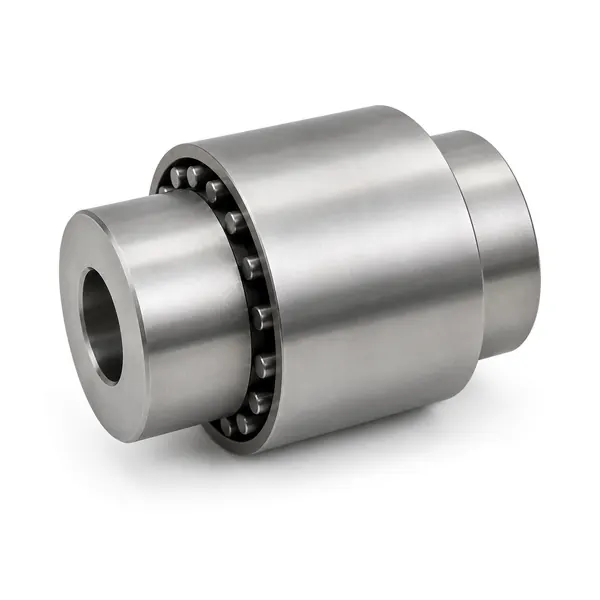
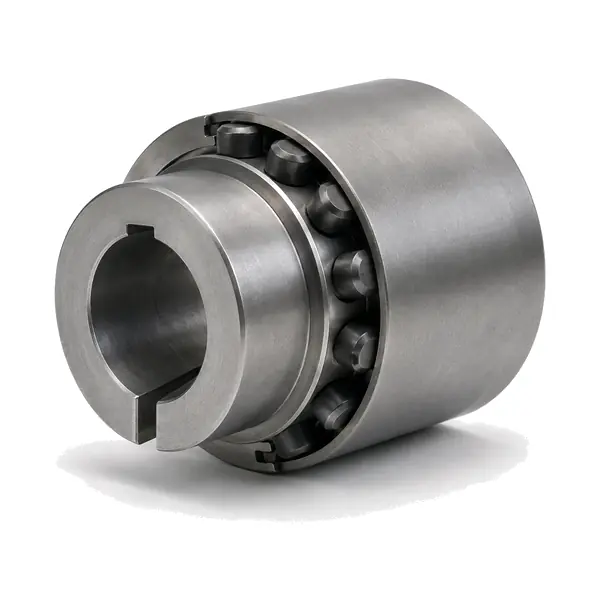
Zc Elastic Pin Gear Coupling Main
ZC Elastic Pin Gear Coupling product view

FAQ and RFQ preparationWhat data should I send first?Send torque or motor/drive data, speed, both shaft diameters, usable shaft lengths, driven equipment, operating pattern and quantity. A shaft or existing-coupling drawing is strongly preferred.Can the same bore be used on every series size?No. Bore combinations and shaft-hole lengths are model-specific. They must be checked against the exact size row.Can a category page confirm a direct replacement?No. Replacement requires an interface and dimensional comparison. Use the published model data and the existing drawing.Are application ratings universal?No. The published series ratings define the product range, while the machine duty determines whether a particular model is appropriate.For a model-specific quotation, review the ZC Elastic Pin Gear Coupling page or submit the form below.

quote form


Decision record and release checksOperating conditions can change the preferred configuration even when the steady running point appears simple. For Elastic Pin Gear Couplings, review starts, stops, reversing, braking, process shock, temperature, contamination and access for inspection. These observations belong next to the numerical duty because they explain whether the coupling is being asked to absorb routine transient behaviour or compensate for a machine problem that should be corrected elsewhere. A flexible pin coupling can accommodate limited relative movement by design, but it should not be used as a substitute for a sound base, correct shaft condition or proper alignment of the connected machines.Inspection planning for Elastic Pin Gear Couplings should concentrate on bore geometry, reference-face runout, pin or sleeve arrangement, fastener condition and the agreed drawing revision. The inspection record should identify the drawing or approved configuration being checked and separate dimensional acceptance from optional commercial documentation. If a project asks for a specific material, treatment, inspection report or certificate, place that requirement on the RFQ and quotation before production release. Do not infer it from a similar model name or from a product photo.Maintenance planning for Elastic Pin Gear Couplings should preserve access to pins, elastic elements, sleeves, retainers and adjacent guards without forcing the connected machines apart. Establish a baseline after installation and compare later inspections with that condition. Changes such as loosened fasteners, displaced retainers, abnormal elastic-element wear, brake-surface issues where applicable, or new vibration should trigger a drive-train review rather than an automatic assumption that the coupling alone caused the symptom. Correcting the surrounding cause is as important as replacing a visibly worn part.Procurement handoff for Elastic Pin Gear Couplings is strongest when the quotation and drawing use the same model designation, shaft configuration and open-item list. Purchasing can then compare offers on the basis of the same duty and interface information instead of comparing only a family name. Before order release, confirm quantity, required drawing approval, any project-specific documentation, and which dimensions remain customer-confirmed. This keeps technical acceptance separate from commercial terms such as delivery schedule or packaging, which should be agreed for the actual order.Review itemProject-specific checkSelection basisMatch the requested torque, operating speed and both shaft interfaces to one published model size.Interface recordBoth bore diameters, usable shaft lengths, key or taper geometry, and the available axial envelope.Operating reviewStarts, stops, reversing, braking, process shock, temperature, contamination and access for inspection.Inspection focusBore geometry, reference-face runout, pin or sleeve arrangement, fastener condition and the agreed drawing revision.Maintenance accessAccess to pins, elastic elements, sleeves, retainers and adjacent guards without forcing the connected machines apart.

Products in this family